

Cập nhật lần cuối 30 Tháng 7, 2026 by Thú Cưng Store
If you’re wondering how to stop dog shedding, the first thing to know is that no dog can stop shedding completely. Shedding is a natural part of the hair growth cycle. However, with the right grooming routine, balanced nutrition, and proper healthcare, you can dramatically reduce loose hair and keep your dog’s coat healthy all year long.
Whether you own a Labrador Retriever, German Shepherd, Golden Retriever, Husky, or another heavy-shedding breed, these proven strategies can help minimize shedding and make life with your furry companion much easier.
Can You Completely Stop a Dog from Shedding?
The short answer is no.
All dogs naturally lose old or damaged hair so new hair can grow. Even breeds that are considered low-shedding still lose some fur.
The real goal isn’t to eliminate shedding but to:
- Reduce excessive hair loss
- Remove loose fur before it spreads around the house
- Maintain healthy skin and coat
- Identify medical issues that may increase shedding
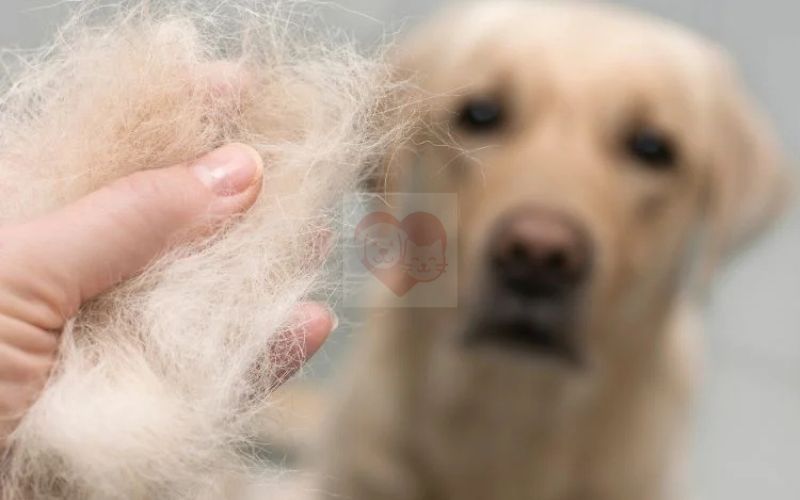
If your dog suddenly begins shedding much more than usual, the cause may go beyond normal seasonal coat changes.
1. Brush Your Dog on a Regular Schedule
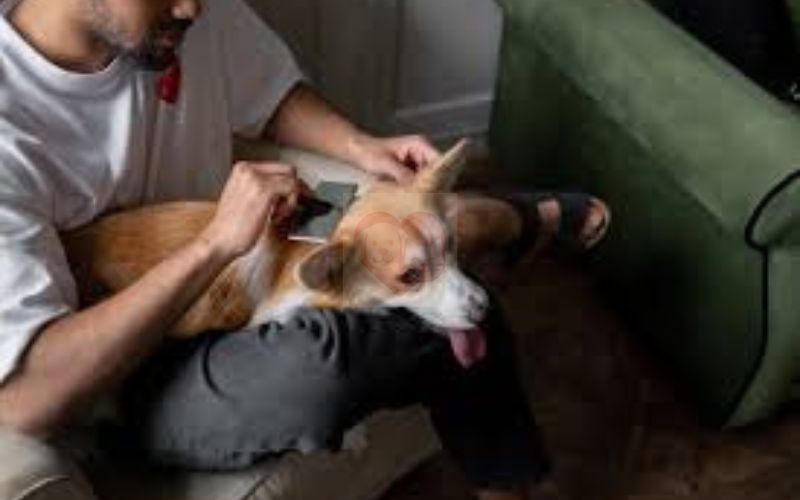
Brushing is the single most effective method for reducing dog hair around your home.
Instead of allowing loose fur to fall onto furniture and clothing, brushing removes dead hair before it has the chance to spread.
Regular brushing also:
- Stimulates blood circulation
- Distributes natural skin oils
- Prevents matting
- Keeps the coat shiny
- Improves overall skin health
Dog Breeds for Apartments: The Best Breeds for Small-Space Living
How Often Should You Brush?
The ideal schedule depends on coat type.
| Coat Type | Brushing Frequency |
| Short coat | 1–2 times per week |
| Medium coat | 2–3 times per week |
| Double coat | 3–5 times per week |
| Long coat | Daily |
During seasonal shedding, daily brushing can dramatically reduce loose hair.
Choose the Right Brush
Different coats require different grooming tools.
Slicker Brush
A slicker brush works well for:
- Long-haired breeds
- Curly coats
- Removing tangles
- Eliminating loose surface hair
Undercoat De-Shedding Tool
Dogs with double coats benefit from specialized de-shedding tools that reach deep into the undercoat without damaging the topcoat.
These tools remove large amounts of dead undercoat before it falls naturally.
Avoid excessive brushing with these tools, as overuse may irritate the skin.
2. Give Your Dog Regular Deshedding Baths
Bathing helps loosen dead fur that brushing alone cannot remove.
A quality deshedding shampoo softens the coat while moisturizing the skin.
Look for shampoos containing:
- Oatmeal
- Aloe vera
- Vitamin E
- Omega-3 fatty acids
- Coconut-derived cleansers
After shampooing, use a moisturizing conditioner designed for dogs. This helps hydrate the hair follicles and makes loose hair easier to remove during drying.
Don’t Over-Bathe
Too many baths can strip away natural oils.
This often causes:
- Dry skin
- Flaking
- Itching
- Even more shedding
Most healthy dogs only need bathing every 4–8 weeks unless recommended otherwise by a veterinarian.
3. Feed a High-Quality Diet
Your dog’s coat reflects what they eat.
Low-quality food containing excessive fillers such as corn, soy, or wheat often provides fewer nutrients needed for healthy skin.
Instead, choose dog food that lists real meat as the primary ingredient.
Look for diets rich in:
- Chicken
- Salmon
- Turkey
- Lamb
- Beef
High-quality protein supports stronger hair follicles and healthier skin, helping reduce excessive shedding over time.
4. Add Omega-3 and Omega-6 Fatty Acids
Healthy fats play a major role in coat quality.
Omega-3 fatty acids help:
- Reduce inflammation
- Improve skin hydration
- Strengthen hair follicles
- Create a shinier coat
Common sources include:
- Fish oil
- Salmon oil
- Sardines
- Flaxseed oil (less efficiently utilized by dogs)
Many veterinarians recommend fish oil supplements for dogs with dry skin or excessive shedding.
However, always consult your veterinarian before introducing supplements to determine the correct dosage.
5. Keep Your Dog Well Hydrated
Water affects every part of your dog’s body—including the skin.
Dehydrated skin becomes dry and flaky, allowing hair to break more easily.
Always provide:
- Fresh drinking water
- Clean water bowls
- Extra hydration during hot weather
- Plenty of water after exercise
Even mild dehydration may contribute to poor coat quality.
6. Control Fleas, Ticks, and Other Parasites
Parasites are a common cause of abnormal hair loss.
When dogs experience flea bites or tick irritation, they scratch excessively.
This scratching damages hair follicles and causes fur to fall out.
Maintain year-round parasite prevention using veterinarian-approved products.
Watch for signs including:
- Constant scratching
- Red skin
- Scabs
- Hair loss around the tail
- Excessive licking
Treating parasites early prevents much larger skin problems later.
7. Reduce Stress and Anxiety
Dogs can experience stress-related shedding just like humans experience stress-related hair loss.
Common stress triggers include:
- Moving to a new home
- Loud noises
- Separation anxiety
- Changes in routine
- New family members
- Travel
Reducing stress can improve overall coat health.
Helpful activities include:
- Daily walks
- Puzzle toys
- Obedience training
- Interactive play
- Consistent routines
A mentally stimulated dog is often healthier both physically and emotionally.
8. Maintain a Healthy Weight
Obesity affects more than joints.
Overweight dogs often develop poorer skin circulation, making coat maintenance more difficult.
A healthy lifestyle includes:
- Balanced nutrition
- Daily exercise
- Appropriate calorie intake
- Regular veterinary checkups
Dogs in good physical condition generally maintain healthier coats.
9. Watch for Medical Conditions
Sometimes excessive shedding is not normal.
Schedule a veterinary examination if you notice:
- Bald patches
- Red skin
- Constant itching
- Dry flaky skin
- Open sores
- Bad odor
- Sudden heavy hair loss
Possible causes include:
- Allergies
- Hormonal disorders
- Thyroid disease
- Skin infections
- Fungal infections
- Autoimmune diseases
Early diagnosis can prevent long-term skin damage.
10. Consider Professional Grooming
Professional groomers have specialized equipment designed to remove large amounts of loose undercoat safely.
A professional deshedding treatment often includes:
- High-pressure bathing
- Coat conditioning
- Blow drying
- Undercoat removal
- Nail trimming
- Ear cleaning
Heavy-shedding breeds may benefit from professional grooming every 6–8 weeks.
Seasonal Shedding vs. Excessive Shedding
Many dogs naturally shed more during spring and fall.
Seasonal shedding allows them to replace their coats as temperatures change.
Normal seasonal shedding usually:
- Occurs twice per year
- Lasts several weeks
- Produces large amounts of loose fur
- Leaves healthy skin underneath
Excessive shedding, however, may continue year-round and often accompanies skin irritation or bald spots.
Knowing the difference helps determine whether home care is enough or veterinary attention is needed.
Dog Breeds That Naturally Shed More

Some breeds are genetically predisposed to heavy shedding.
These include:
- Golden Retriever
- Labrador Retriever
- German Shepherd
- Siberian Husky
- Alaskan Malamute
- Akita
- Saint Bernard
- Great Pyrenees
These breeds require more frequent brushing than low-shedding breeds such as Poodles or Bichon Frises.
Frequently Asked Questions
What is the fastest way to reduce dog shedding?
Daily brushing combined with a quality de-shedding tool removes loose fur before it spreads throughout your home. Pair this with proper nutrition and regular bathing for the best results.
Does fish oil really help with shedding?
Yes. Omega-3 fatty acids support healthier skin, reduce dryness, and strengthen hair follicles. While fish oil won’t eliminate shedding, many dogs experience improved coat quality after several weeks.
How often should I bathe a shedding dog?
Most dogs benefit from bathing every four to eight weeks using a moisturizing deshedding shampoo. Bathing too frequently may dry the skin and actually increase shedding.
Why is my dog suddenly shedding so much?
Sudden excessive shedding may indicate allergies, parasites, hormonal disorders, stress, poor nutrition, or skin infections. If shedding is accompanied by bald patches, redness, or itching, consult your veterinarian promptly.
Final Thoughts
Learning how to stop dog shedding is really about learning how to manage it effectively. Since shedding is a natural biological process, it can never be completely eliminated. However, a consistent routine of brushing, occasional deshedding baths, high-quality nutrition, Omega-3 supplementation when appropriate, parasite prevention, stress reduction, and regular veterinary care can significantly reduce the amount of loose hair in your home.
With patience and proper coat care, your dog can enjoy healthier skin, a shinier coat, and more comfortable living conditions—while you spend far less time vacuuming fur off your floors and furniture.
