

Cập nhật lần cuối 19 Tháng 7, 2026 by Thú Cưng Store
If you’ve ever studied biology or looked at an animal cell diagram, you may have noticed an oval-shaped structure with squiggly lines inside that looks surprisingly like a miniature hot dog. Many students ask the same amusing question: what’s the name of the hot dog thing in an animal cell?
The answer is the mitochondrion (plural: mitochondria).
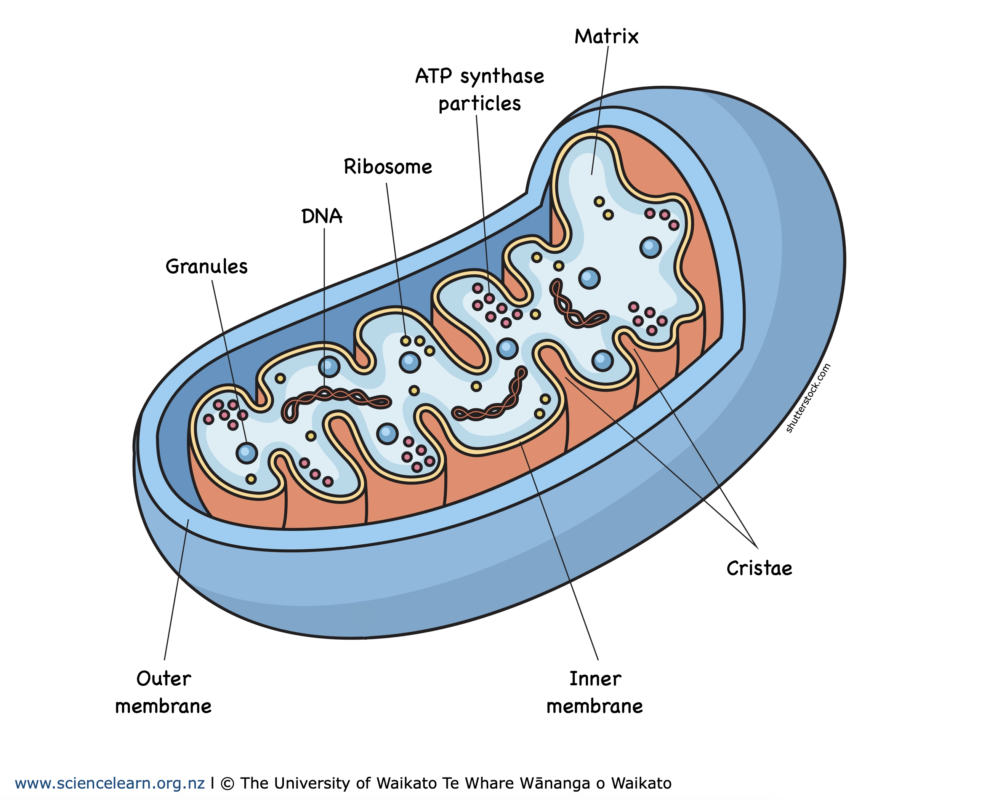
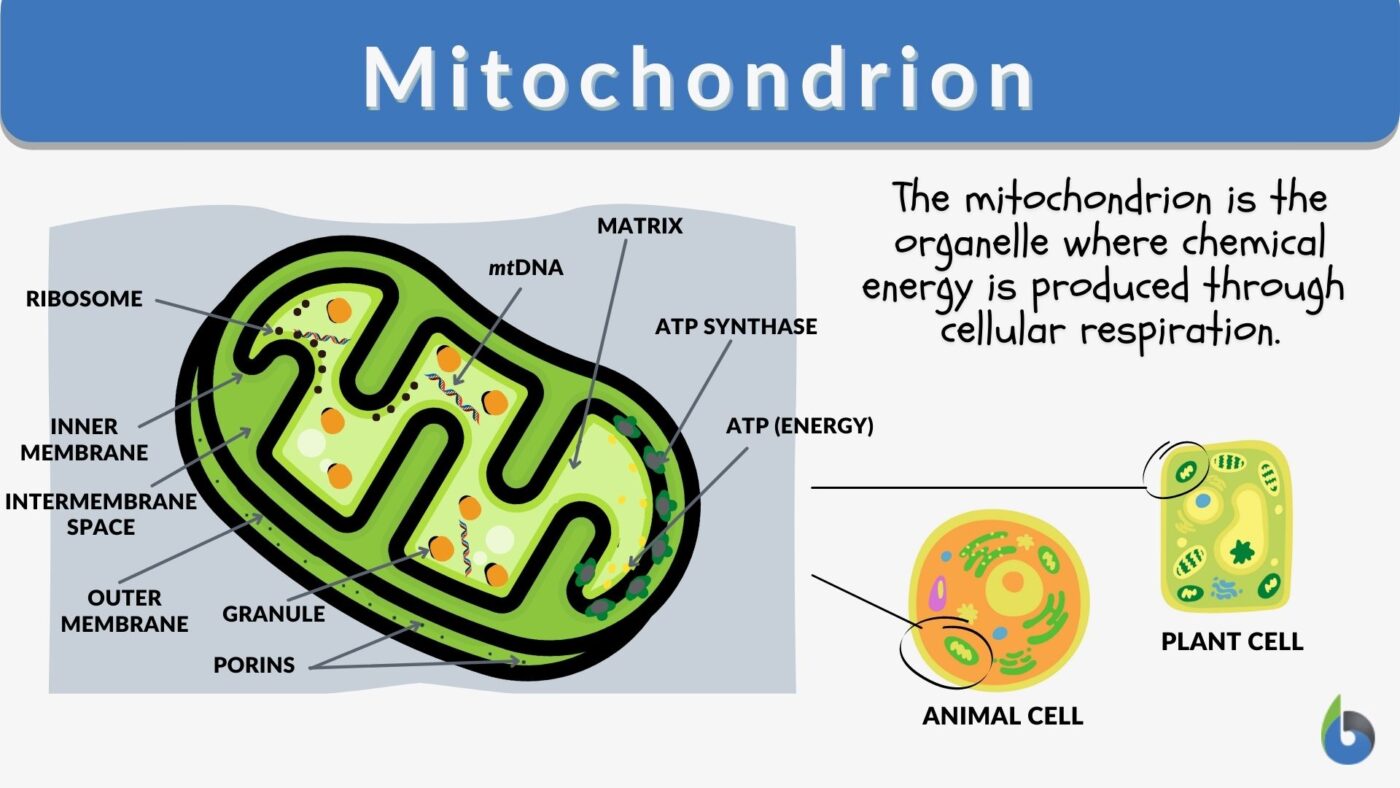
Although the nickname “hot dog thing” isn’t a scientific term, it’s a memorable way to identify one of the most important organelles inside a cell. Mitochondria are bean-shaped structures with folded inner membranes that resemble tiny hot dogs in many biology illustrations.
More importantly, mitochondria produce Adenosine Triphosphate (ATP), the molecule that provides energy for nearly every activity inside the cell. That’s why they are famously known as the powerhouse of the cell.
What Is the Hot Dog Thing in an Animal Cell?
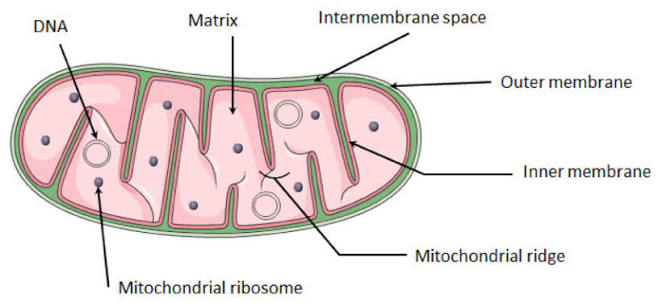
The hot dog-shaped structure in an animal cell is called the mitochondrion.
A mitochondrion is a specialized organelle found in nearly all eukaryotic cells, including both animal and plant cells. Its primary role is to generate usable energy through cellular respiration.
Without mitochondria, cells would not have enough energy to survive, grow, repair themselves, or perform specialized biological functions.
Why Does the Mitochondrion Look Like a Hot Dog?
The comparison comes from the way mitochondria are illustrated in biology textbooks.
Bean-Shaped Appearance
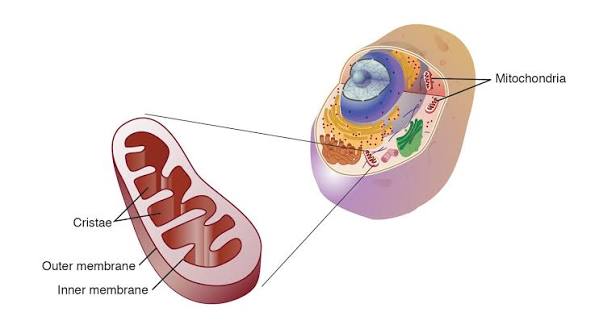
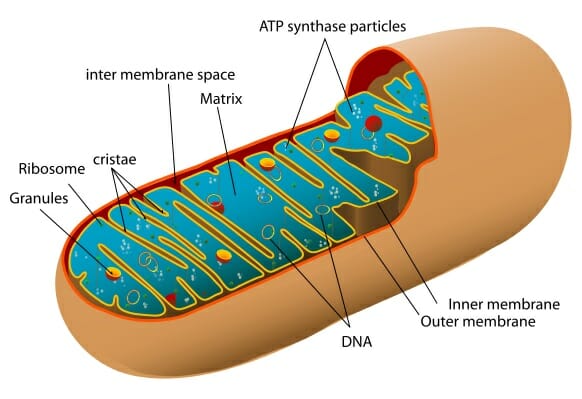
A typical mitochondrion has:
- An oval or bean-shaped outer membrane
- A highly folded inner membrane
- A fluid-filled matrix
- Wavy folds called cristae
These features make mitochondria resemble miniature hot dogs or sausages in educational diagrams.
Why Biology Diagrams Simplify Their Shape
In living cells, mitochondria constantly change shape and move around. However, textbook illustrations simplify their appearance, making them easier to recognize and remember.
Why Are Mitochondria Called the Powerhouse of the Cell?
One of the best-known phrases in biology is:
“Mitochondria are the powerhouse of the cell.”
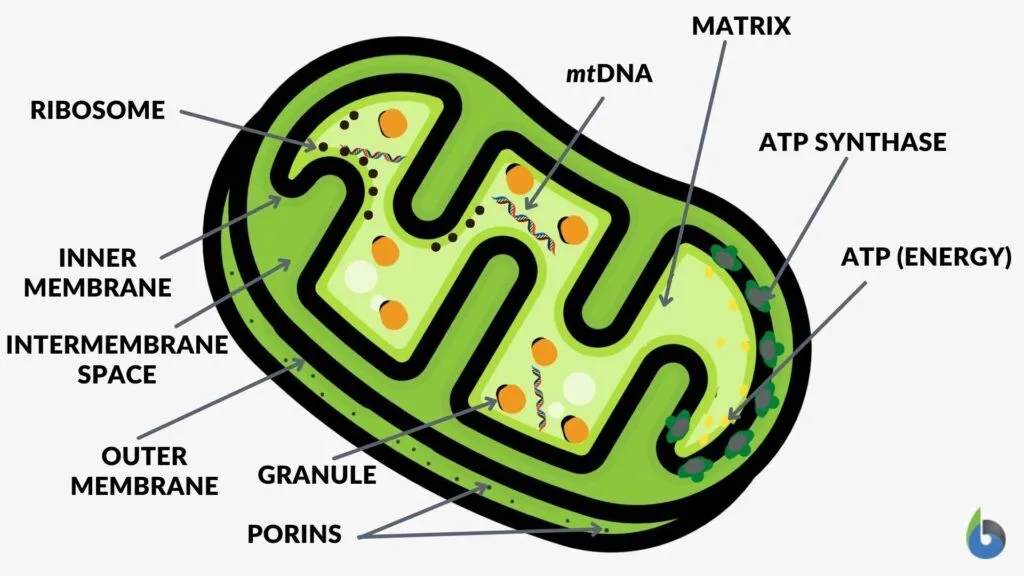
They earn this nickname because they produce most of the ATP that cells need to function.
ATP, or Adenosine Triphosphate, is the primary energy-carrying molecule inside living organisms.
Cells consume ATP whenever they:
- Contract muscles
- Send nerve impulses
- Build proteins
- Repair damaged tissues
- Divide and reproduce
Without ATP, these essential cellular activities would stop almost immediately.
How Do Mitochondria Produce ATP?
Mitochondria create ATP through cellular respiration, a series of biochemical reactions that convert nutrients into usable energy.
Step 1: Nutrients Enter the Cell
The body breaks down carbohydrates, fats, and proteins into smaller molecules such as glucose.
Step 2: Oxygen Reaches the Mitochondria
Oxygen enters the bloodstream through the lungs and is transported to every cell.
Step 3: Cellular Respiration Takes Place
Inside the mitochondria, glucose reacts with oxygen through several metabolic pathways.
Step 4: ATP Is Generated
The released energy is converted into ATP molecules, which power virtually every cellular function.
Structure of a Mitochondrion
The structure of mitochondria is specially designed for efficient energy production.
Outer Membrane
The outer membrane surrounds and protects the organelle while allowing selected molecules to pass through.
Inner Membrane
The inner membrane folds into structures called cristae.
These folds significantly increase the surface area available for ATP production.
Matrix
The matrix contains enzymes, mitochondrial DNA, and ribosomes that support cellular metabolism.
Intermembrane Space
The narrow space between the two membranes helps create the proton gradient required for ATP synthesis.
Why Do Cells Need ATP?
ATP serves as the universal energy currency of life.
Every living cell depends on ATP for processes such as:
- Muscle contraction
- DNA replication
- Protein synthesis
- Active transport
- Cell signaling
- Cell division
- Tissue repair
- Maintaining body temperature
Without ATP, life would not exist.
Which Cells Have the Most Mitochondria?
Cells with the highest energy demands contain the largest numbers of mitochondria.
Heart Muscle Cells
Heart cells require enormous amounts of ATP because the heart beats continuously.
Skeletal Muscle Cells
Exercise increases ATP demand, making skeletal muscle rich in mitochondria.
Liver Cells
Liver cells perform hundreds of metabolic reactions every minute and therefore contain many mitochondria.
Brain Cells
Neurons require constant ATP production to transmit electrical signals throughout the nervous system.
Do Plant Cells Have Mitochondria?
Yes.
Both animal cells and plant cells contain mitochondria.
Although plant cells also have chloroplasts for photosynthesis, they still rely on mitochondria to convert sugars into ATP, particularly when sunlight is unavailable.
Interesting Facts About Mitochondria
Mitochondria have several remarkable characteristics.
- They contain their own DNA.
- They reproduce independently through division.
- Scientists believe they evolved from ancient bacteria.
- They constantly move and change shape.
- They help regulate programmed cell death (apoptosis).
- They participate in calcium storage and cellular signaling.
These unique traits distinguish mitochondria from other organelles.
Common Misconceptions About Mitochondria
Is “Hot Dog Thing” the Scientific Name?
No.
The correct scientific terms are mitochondrion (singular) and mitochondria (plural).
Do Mitochondria Only Produce Energy?
No.
In addition to ATP production, mitochondria regulate metabolism, calcium balance, immune signaling, and programmed cell death.
Do All Animal Cells Contain Mitochondria?
Almost all do.
One notable exception is mature human red blood cells, which lose their mitochondria during development.
Frequently Asked Questions
What’s the name of the hot dog thing in an animal cell?
The hot dog-shaped structure is called the mitochondrion. The plural form is mitochondria.
Why does it look like a hot dog?
Its oval shape and folded inner membrane, known as cristae, resemble a tiny hot dog in many biology diagrams.
Why is the mitochondrion called the powerhouse of the cell?
Because it converts nutrients and oxygen into ATP, providing the energy required for nearly every cellular process.
What does ATP stand for?
ATP stands for Adenosine Triphosphate, the primary energy molecule used by living cells.
Do all animal cells have mitochondria?
Nearly all animal cells contain mitochondria, although the number varies depending on each cell’s energy requirements.
Conclusion
If you’ve ever wondered, “what’s the name of the hot dog thing in an animal cell?”, the answer is the mitochondrion.
Its distinctive bean-shaped appearance and folded inner membrane make it one of the easiest organelles to recognize in biology. More importantly, mitochondria are responsible for producing ATP—the energy that powers everything from muscle movement to brain function.
While many students remember mitochondria as the funny-looking “hot dog thing,” scientists recognize them as one of the most essential organelles in living cells. Without these microscopic powerhouses, complex life simply wouldn’t be possible.
