

Cập nhật lần cuối 30 Tháng 7, 2026 by Thú Cưng Store
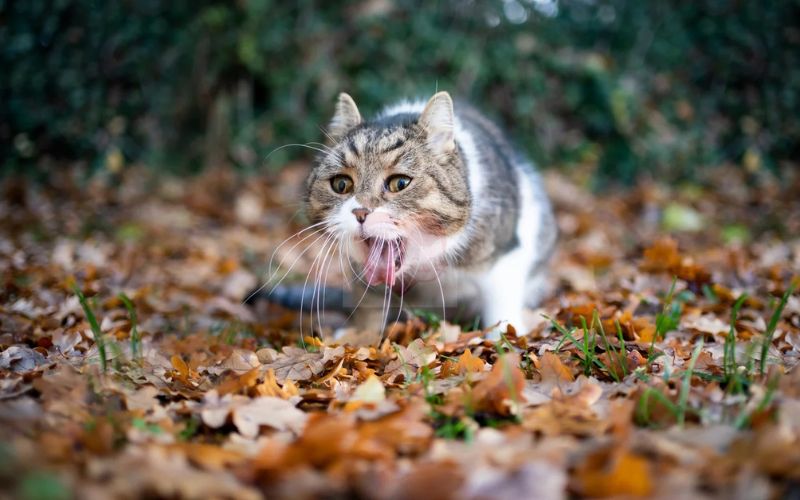
If you’ve found yourself asking, “Why is my cat vomiting?”, you’re not alone. Vomiting is one of the most common reasons cat owners seek veterinary advice. While an occasional episode may be harmless—such as bringing up a hairball—frequent or severe vomiting can indicate an underlying health problem that requires prompt medical attention.
The key is understanding the difference between normal vomiting and symptoms that suggest something more serious. This guide explains the most common causes, what you can do at home, and when your cat should see a veterinarian.
Is It Normal for Cats to Vomit?
Cats can vomit occasionally without having a serious illness. A healthy cat may throw up once every few months after eating too quickly, swallowing a hairball, or experiencing temporary stomach irritation.
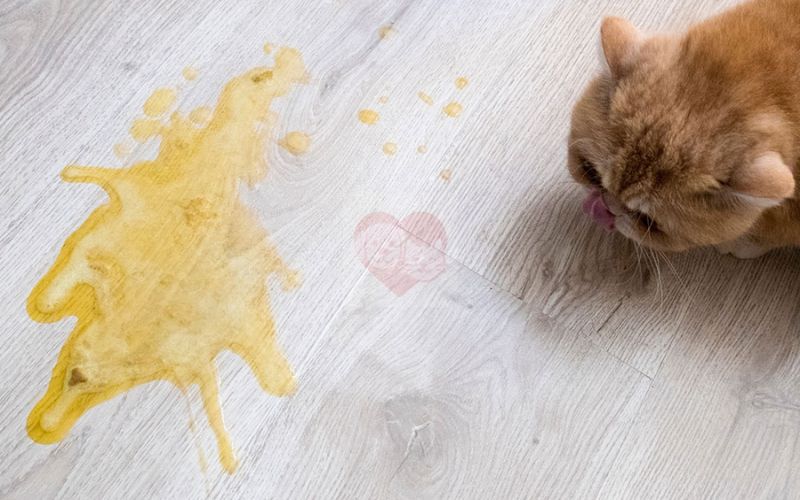
However, vomiting is not considered normal if it happens regularly. Cats that vomit weekly, several times a month, or repeatedly in one day should be evaluated by a veterinarian.
Pay attention to:
- How often your cat vomits
- What the vomit looks like
- Whether your cat continues eating normally
- Any changes in behavior or energy level
These details can help determine the underlying cause.
How to Stop Dog Shedding: Practical Tips That Actually Work
Common Reasons Why Cats Vomit
1. Hairballs
Hairballs are among the most common causes of occasional vomiting, especially in long-haired breeds.
Cats groom themselves by licking their fur, swallowing loose hair in the process. Most hair passes through the digestive tract, but some accumulates in the stomach and forms a hairball that is eventually vomited.
Hairballs become more common during seasonal shedding or in cats that groom excessively.
Signs include:
- Repeated gagging
- Coughing before vomiting
- Tubular clumps of hair
- Otherwise normal appetite and behavior
If your cat vomits hairballs frequently, excessive grooming or digestive issues may be contributing factors.
2. Eating Too Fast
Some cats eat so quickly that they regurgitate their food within minutes of finishing a meal.
Unlike true vomiting, regurgitation usually occurs almost immediately after eating and contains undigested food.
Ways to slow eating include:
- Feeding smaller meals throughout the day
- Using puzzle feeders
- Placing food on a wide plate instead of a deep bowl
- Separating cats during feeding if competition exists
3. Sudden Diet Changes
Cats have sensitive digestive systems.
Switching foods too quickly can upset the stomach and trigger vomiting.
Whenever changing diets, gradually mix the new food with the old food over 7–10 days.
A slow transition greatly reduces digestive upset.
4. Food Allergies or Food Sensitivities
Some cats develop intolerance to certain ingredients such as:
- Beef
- Chicken
- Dairy
- Fish
- Artificial additives
In addition to vomiting, food allergies may cause:
- Itchy skin
- Ear infections
- Chronic diarrhea
- Poor coat condition
A veterinarian may recommend an elimination diet to identify the offending ingredient.
5. Eating Toxic Foods or Plants
Many common household items are poisonous to cats.
Examples include:
- Lilies
- Onions
- Garlic
- Chocolate
- Grapes
- Certain medications
- Household cleaners
Toxicity often causes:
- Vomiting
- Drooling
- Tremors
- Difficulty walking
- Seizures
- Collapse
Emergency veterinary care is essential if poisoning is suspected.
6. Intestinal Parasites
Kittens and outdoor cats are especially susceptible to intestinal worms.
Parasites irritate the digestive tract and may lead to:
- Vomiting
- Diarrhea
- Weight loss
- Poor growth
- Pot-bellied appearance
Routine fecal testing and regular deworming help prevent parasite-related illness.
7. Foreign Object Blockage
Cats are naturally curious and sometimes swallow objects they shouldn’t.
Common foreign objects include:
- String
- Yarn
- Ribbon
- Rubber bands
- Hair ties
- Small toys
These can become lodged in the stomach or intestines, creating a life-threatening obstruction.
Signs include:
- Repeated vomiting
- Loss of appetite
- Painful abdomen
- Lethargy
- Inability to keep food or water down
Foreign body obstruction is a surgical emergency.
8. Chronic Kidney Disease
Kidney disease is one of the most common illnesses in older cats.
As waste products accumulate in the bloodstream, nausea develops, leading to vomiting.
Additional symptoms include:
- Increased thirst
- Frequent urination
- Weight loss
- Poor appetite
- Bad breath
- Weakness
Early diagnosis greatly improves long-term management.
9. Hyperthyroidism
Hyperthyroidism commonly affects senior cats.
An overactive thyroid speeds up metabolism, often causing:
- Increased appetite
- Weight loss
- Hyperactivity
- Vomiting
- Diarrhea
- Increased thirst
Fortunately, effective treatments are available once diagnosed.
10. Inflammatory Bowel Disease (IBD)
Inflammatory bowel disease causes chronic inflammation of the digestive tract.
Cats with IBD often experience:
- Recurrent vomiting
- Chronic diarrhea
- Weight loss
- Poor appetite
- Reduced energy
Diagnosis may require blood work, ultrasound, dietary trials, or intestinal biopsy.
Treatment usually involves dietary management and anti-inflammatory medications.
11. Diabetes and Liver Disease
Vomiting may also be an early symptom of systemic illnesses such as:
- Diabetes mellitus
- Liver disease
- Pancreatitis
- Certain cancers
These conditions typically produce additional symptoms including:
- Weight loss
- Appetite changes
- Increased drinking
- Jaundice
- Lethargy
Because vomiting can be one of the first warning signs, persistent episodes should never be ignored.
What Does the Vomit Look Like?
The appearance of vomit can provide helpful clues.
| Appearance | Possible Meaning |
| Hairball | Normal grooming, excessive shedding |
| Undigested food | Eating too quickly, regurgitation |
| Yellow foam | Empty stomach or bile irritation |
| White foam | Mild stomach irritation |
| Clear liquid | Water, saliva, nausea |
| Blood | Ulcers, injury, poisoning, severe disease |
| Green vomit | Bile or intestinal contents |
Blood in vomit should always be evaluated immediately.
What Should You Do If Your Cat Vomits Once?
If your cat vomits only once and otherwise appears healthy, you may be able to monitor them at home.
You can:
- Remove food for approximately two hours.
- Continue providing fresh water unless vomiting persists.
- Offer a very small portion of a bland meal, such as plain boiled skinless chicken.
- Watch closely for additional vomiting over the next 24 hours.
If your cat resumes eating normally and no further symptoms develop, the episode may have been temporary.
When Should You Call a Veterinarian?
Seek veterinary care immediately if your cat:
- Vomits several times in one day.
- Continues vomiting for more than 24–48 hours.
- Cannot keep water down.
- Has blood in the vomit.
- Has blood in the stool.
- Stops eating.
- Loses weight unexpectedly.
- Appears weak or lethargic.
- Has abdominal pain.
- Shows signs of poisoning.
- May have swallowed a foreign object.
- Experiences seizures or collapse.
Young kittens, elderly cats, and cats with chronic medical conditions should be examined sooner because dehydration develops rapidly.
How Veterinarians Diagnose the Cause
Your veterinarian may recommend several tests depending on your cat’s symptoms.
These may include:
- Physical examination
- Blood tests
- Urinalysis
- Fecal examination
- X-rays
- Abdominal ultrasound
- Endoscopy
- Biopsy in chronic cases
Identifying the underlying cause is essential because vomiting is a symptom—not a disease itself.
Can Cat Vomiting Be Prevented?
Although not every cause is preventable, many episodes can be reduced with proper care.

Helpful preventive measures include:
- Feed a high-quality, balanced diet.
- Introduce new foods gradually.
- Brush your cat regularly to reduce hairballs.
- Keep toxic plants and chemicals out of reach.
- Schedule routine parasite prevention.
- Prevent access to string, ribbons, and small objects.
- Provide plenty of fresh water.
- Schedule regular veterinary wellness exams.
Good preventive care significantly lowers the risk of digestive problems.
Frequently Asked Questions
Why is my cat vomiting but acting normal?
A single vomiting episode with otherwise normal behavior may result from eating too fast, a hairball, or mild stomach irritation. However, repeated vomiting—even if your cat seems fine—should be evaluated by a veterinarian.
Is yellow vomit dangerous?
Yellow vomit usually contains bile and may occur when the stomach is empty. Occasional episodes are not always serious, but persistent bile vomiting warrants veterinary evaluation.
Why does my indoor cat keep vomiting?
Indoor cats can still develop hairballs, food allergies, inflammatory bowel disease, kidney disease, parasites, or ingest foreign objects. Persistent vomiting always deserves medical attention.
Should I feed my cat after vomiting?
If your cat vomits once and otherwise appears healthy, wait about two hours before offering a small amount of bland food. If vomiting continues, stop feeding and contact your veterinarian.
Final Thoughts
If you’re wondering why your cat is vomiting, remember that the cause can range from something as simple as a hairball to a serious medical condition requiring immediate treatment. Occasional vomiting may not be alarming, but frequent episodes, blood in the vomit, weight loss, lethargy, or inability to keep food down should never be ignored.
Carefully observing your cat’s symptoms, monitoring the frequency of vomiting, and seeking timely veterinary care can make a significant difference in identifying the underlying cause and ensuring your cat receives the appropriate treatment.
